

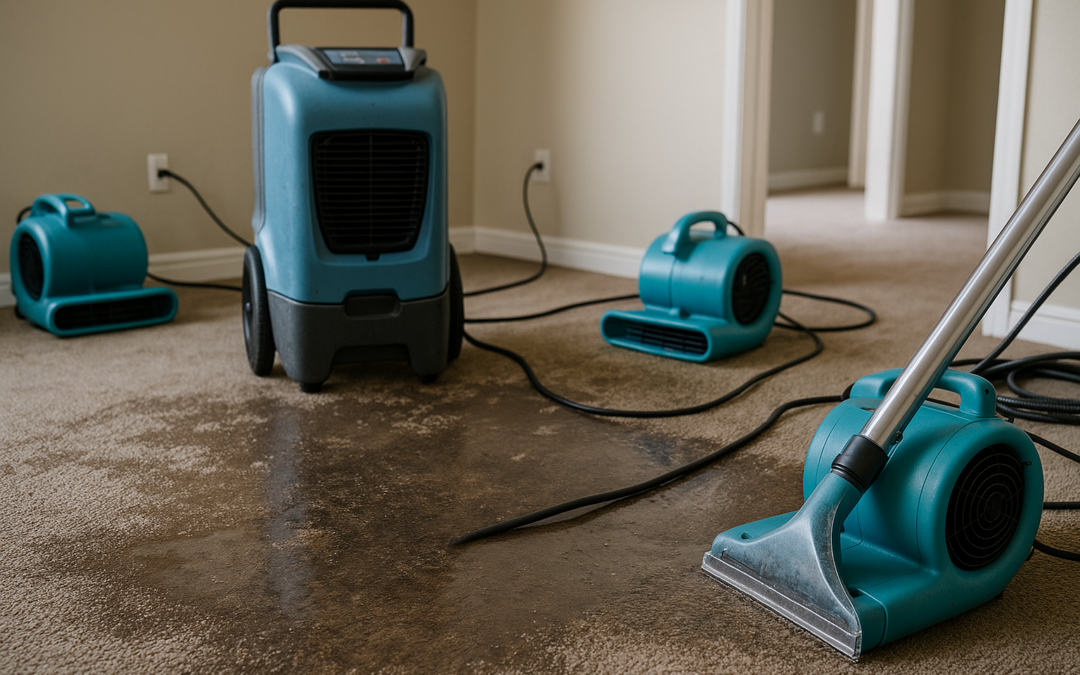
Look, when water hits your carpet, you need to move fast. And I mean FAST. Every minute counts because mold starts partying in wet carpet like it’s spring break in Cancun.
## The Heavy Hitters You Need
First things first – **extraction units**. These aren’t your cousin’s shop vac from Bunnings. We’re talking truck-mounted beasts that can suck water out of carpet like… well, like nothing else really can. These machines create serious suction power that pulls water from deep in the carpet padding where it loves to hide.
Then there’s the **weighted extraction tools**. Picture a flat metal plate that weighs about as much as your toddler. We drag these across the carpet to squeeze out water that the regular extraction missed. It’s like wringing out a towel, except the towel is attached to your floor.
## The Drying Arsenal
Once we’ve sucked out what we can, it’s drying time. And no, opening windows won’t cut it.
**Air movers** – these look like fans on steroids. We position them strategically to create wind tunnels across your carpet. The goal? Force air movement that speeds up evaporation by like, 1000%. Ok maybe not that much but you get the idea.
**Dehumidifiers** are the unsung heroes here. While the air movers are pushing moisture into the air, these bad boys are sucking it right back out. Without them, you’re just moving wet air around your house. Not ideal.
## The Detection Equipment
Here’s where it gets a bit sci-fi. **Moisture meters** tell us exactly how wet things are beneath the surface. Because your carpet might feel dry on top while underneath it’s still soaking wet. These little devices have probes that penetrate deep into carpet and padding.
**Thermal imaging cameras** – yeah, like in the movies. These show temperature differences that indicate moisture. Cold spots = wet spots. It’s pretty cool actually. Helps us find water that’s traveled under walls or into places you’d never think to check.
## The Sanitizing Squad
Water damage isn’t just about getting things dry. It’s about making sure nothing nasty grows later.
**Antimicrobial sprayers** – we fog these throughout affected areas to prevent mold and bacteria growth. Because trust me, you do NOT want to deal with mold. It’s like that houseguest who overstays their welcome, except worse.
**HEPA air scrubbers** clean the air while we work. They filter out mold spores, dust, and other nasties that get stirred up during the restoration process.
## Why Professional Equipment Matters
Look, I get it. You might be thinking “can’t I just rent a carpet cleaner from Woolies?”
Sure. In the same way you could perform your own root canal with pliers and YouTube tutorials.
Professional water damage equipment extracts about 95% of moisture. Your rental unit? Maybe 30% if you’re lucky. And that leftover moisture? That’s where problems start. Mold, mildew, that funky smell that never quite goes away…
The truth is, water damage restoration isn’t just about having the right tools. It’s about knowing how to use them. Where to place air movers for maximum efficiency. How long to run dehumidifiers. When to pull up carpet vs when it can be saved.
## The Bottom Line
Water damaged carpet restoration requires serious equipment. Extraction units, air movers, dehumidifiers, moisture detection tools, and sanitizing equipment all work together to save your carpet and protect your home.
If you’re dealing with water damage on the Gold Coast, from Coolangatta to Tweed Heads, you need someone with the right gear AND the know-how to use it. Because when it comes to water damage, good enough isn’t good enough.
Your carpet (and your health) deserve better than a half-hearted attempt with inadequate equipment.
**Remember**: Water damage gets worse by the hour, not by the day. The sooner you get professional equipment on the job, the better your chances of saving your carpet and avoiding bigger problems down the road.